Black Seed USA AI Hub
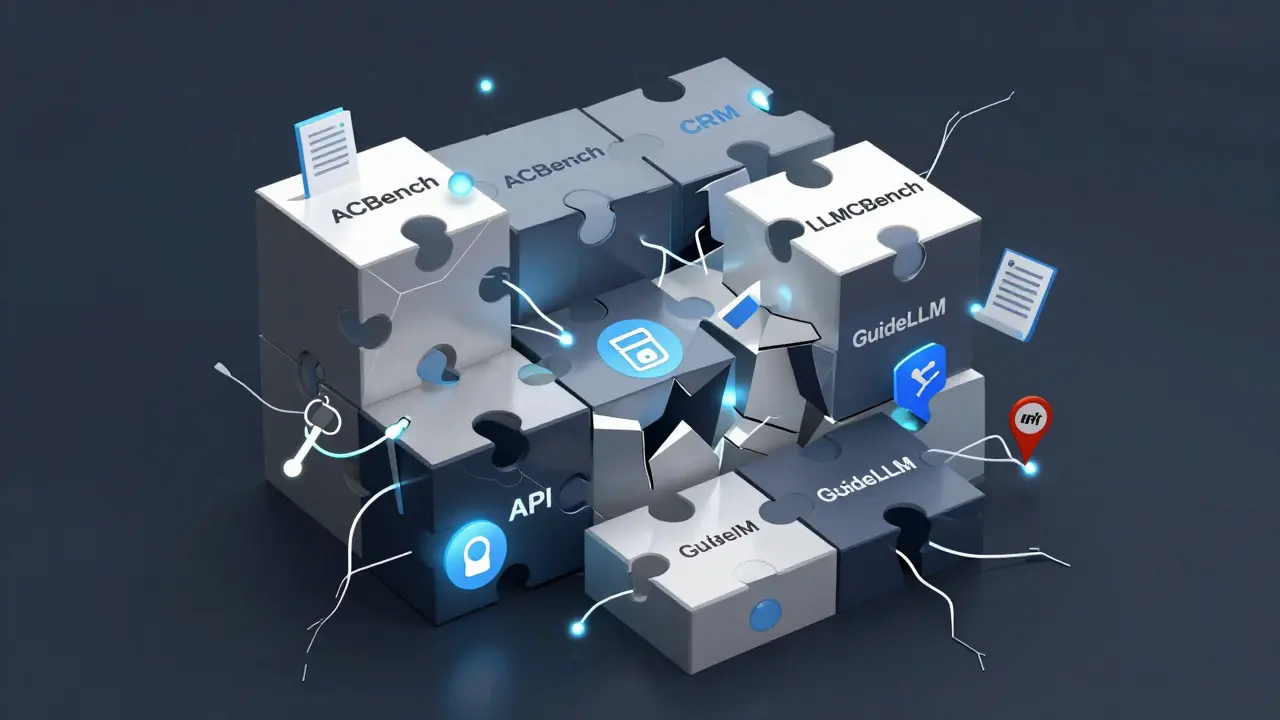
Benchmarking Compressed LLMs on Real-World Tasks: A Practical Guide
Learn how to properly benchmark compressed LLMs using ACBench, LLMCBench, and GuideLLM to avoid deployment failures. Real-world performance matters more than size or speed.
Latency Management for RAG Pipelines in Production LLM Systems
Learn how to cut RAG pipeline latency from 5 seconds to under 1.5 seconds using Agentic RAG, streaming, connection pooling, and approximate search. Real-world benchmarks, tools, and tradeoffs for production LLM systems.

GDPR and CCPA Compliance in Vibe-Coded Systems: Data Mapping and Consent Flows
GDPR and CCPA require detailed data mapping and transparent consent flows-especially in vibe-coded systems that rely on user behavior. Learn what you must document, how to map data flows, and why automated tools aren't enough without human oversight.

Error Messages and Feedback Prompts That Help LLMs Self-Correct
Learn how to use feedback prompts to help LLMs self-correct their own errors - when it works, when it fails, and how to implement it without falling into overconfidence traps.

How Generative AI Boosts Revenue Through Cross-Sell, Upsell, and Conversion Lifts
Generative AI is driving measurable revenue growth through smarter cross-sell and upsell strategies, with top companies seeing 18%+ increases in average order value and conversion lifts up to 20%. Learn how it works-and how to make it work for you.
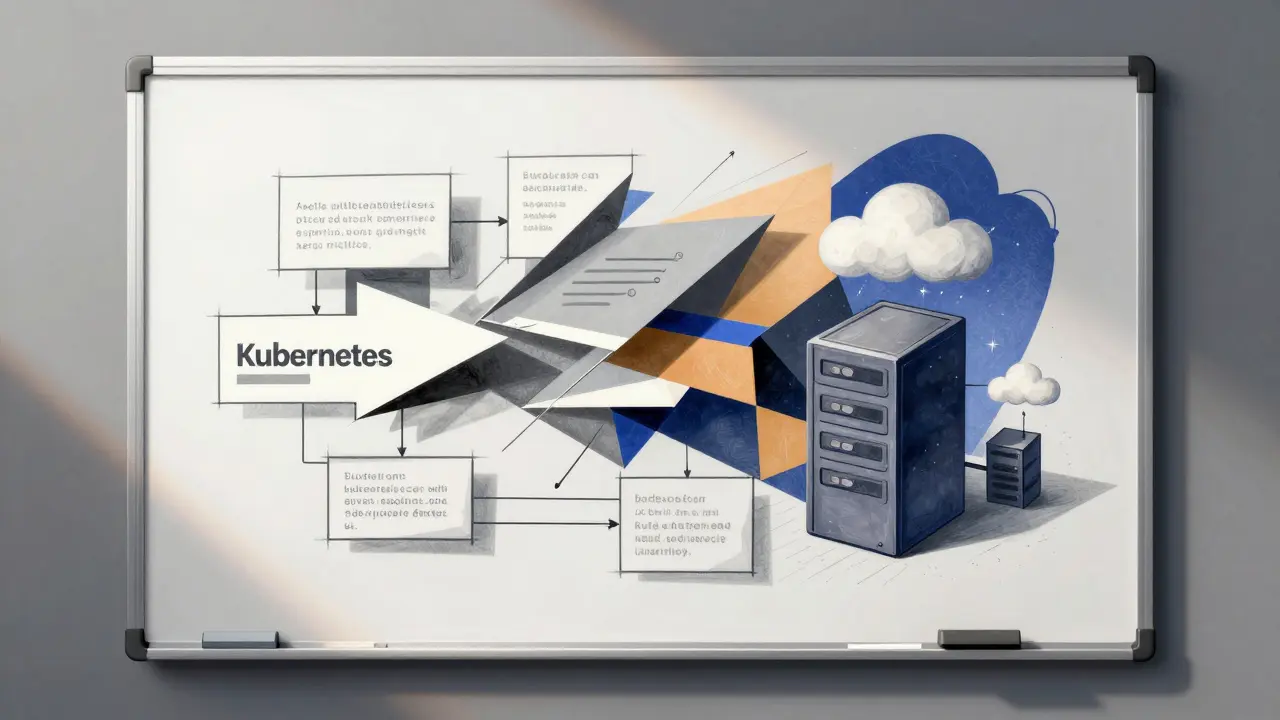
Vision-Language Models That Read Diagrams and Generate Architecture
Vision-language models now read architectural diagrams and generate documentation, code, and design insights. Learn how they work, where they excel, their limitations, and how to use them safely in real software teams.

Bias-Aware Prompt Engineering to Improve Fairness in Large Language Models
Bias-aware prompt engineering helps reduce unfair outputs in large language models by changing how you ask questions-not by retraining the model. Learn proven techniques, real results, and how to start today.

Team Collaboration in Cursor and Replit: Shared Context and Reviews Compared
Cursor and Replit offer very different approaches to team collaboration: Replit excels at real-time, browser-based coding for learning and prototyping, while Cursor delivers deep codebase awareness and secure, Git-first reviews for enterprise teams.

Knowledge Boundaries in Large Language Models: How AI Knows When It Doesn't Know
Large language models often answer confidently even when they're wrong. Learn how AI systems are learning to recognize their own knowledge limits and communicate uncertainty to reduce hallucinations and build trust.

Data Retention Policies for Vibe-Coded SaaS: What to Keep and Purge
Vibe-coded SaaS apps often collect too much user data by default. Learn what to keep, what to purge, and how to build compliance into your AI prompts to avoid fines and build trust.
- 10
- Read More
Agentic Systems vs Vibe Coding: How to Pick the Right AI Autonomy for Your Project
Agentic systems automate coding tasks with minimal human input, while vibe coding lets you build fast with conversational AI. Learn which approach fits your project-and how to use both safely in 2026.

Security Code Review for AI Output: Essential Checklists for Verification Engineers
AI-generated code is often functional but insecure. Verification engineers need specialized checklists to catch hidden vulnerabilities like missing input validation, hardcoded secrets, and insecure error handling. Learn the top patterns, tools, and steps to secure AI code today.