Imagine needing to photograph a new line of fifty skincare bottles. Traditionally, you’d book a studio, hire a photographer, rent props, and spend days editing. Now, imagine doing it in an afternoon using Multimodal Generative AI is advanced artificial intelligence technology that combines multiple data types like images, text, and video to create new, contextually accurate content. This technology allows merchants to transform basic product photos into high-converting lifestyle imagery without the hefty price tag. This shift isn't just about saving money; it's about speed and scale. As we move through 2026, this technology has moved from experimental novelty to essential infrastructure for digital commerce.
The Core Problem: The Gap Between Product Photos and Lifestyle Imagery
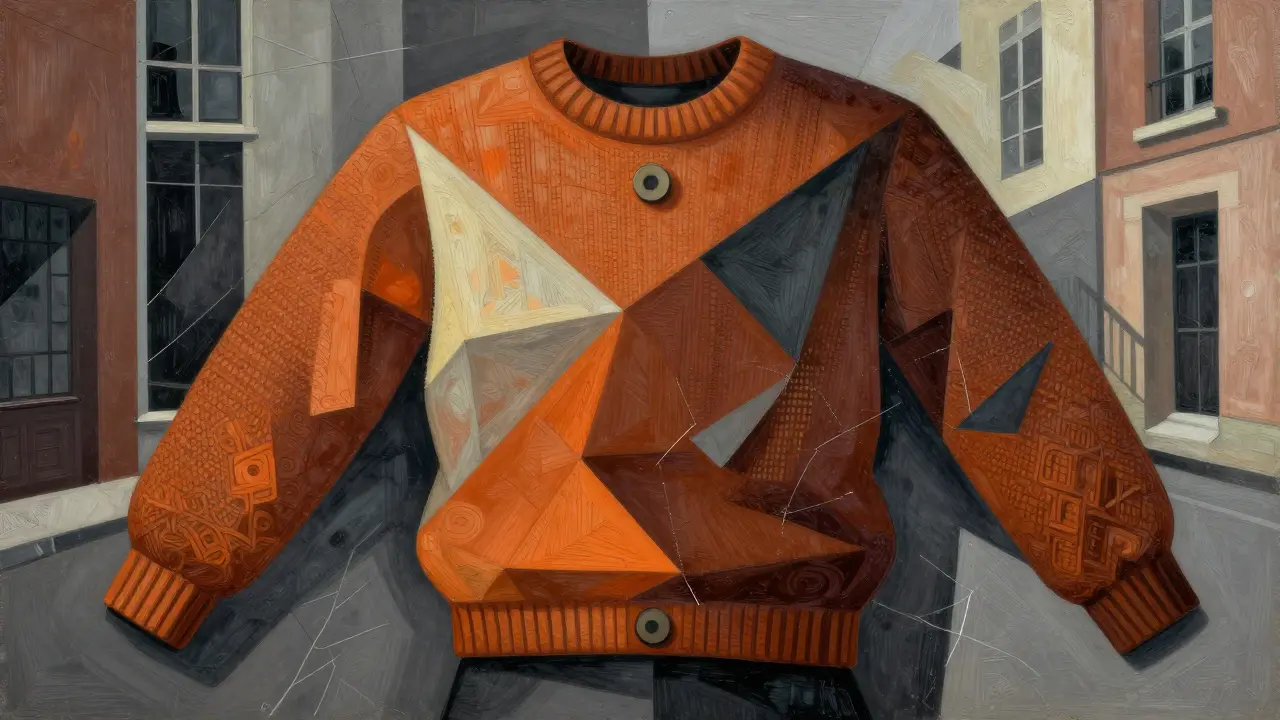
You know the feeling. You have a clean, white-background photo of your sweater. It looks good on paper. But when you post it on social media or put it on your homepage, it feels sterile. Shoppers don't buy products; they buy into lifestyles. They want to see how that sweater looks on a person walking down a city street in autumn light. They want to see the texture of the fabric against a cozy background.
Traditional photography solves this, but it’s slow and expensive. CreativeForce notes that while traditional methods work, they are resource-heavy. Enter multimodal generative AI. Unlike older tools that simply swapped backgrounds, these modern systems understand context. They don’t just paste a model onto a beach; they adjust lighting, shadows, and reflections so the product looks like it actually belongs there. This creates a "virtual mood board" where images are generated from prompts rather than sourced from stock libraries, giving brands unique control over their visual identity.
How Multimodal AI Transforms Static Images into Scenes
To understand why this works, you need to look at the architecture. Multimodal AI doesn't just process pixels; it processes relationships between different types of data. When you upload a product image, the system analyzes its shape, color, and texture. Simultaneously, it reads your text prompt-say, "model laying on a beach applying lip balm with natural light." It then cross-references this with vast databases of human anatomy, environmental lighting, and material physics.
Platforms like Instant, described as "the AI content studio built for e-commerce," use models such as Gemini 3 Pro or NIA variants to execute this. Here is the workflow:
- Input: You upload a simple product shot, often pulled directly from your Shopify catalog.
- Contextualization: You select a scene preset or write a detailed prompt describing the environment.
- Model Selection: You choose demographic options (e.g., female model "Astrid" or male variants) to ensure representation diversity.
- Generation: The AI synthesizes the product into the scene, adjusting aspect ratios (like 1:1 for Instagram) and aesthetic effects (like a grainy film look).
This isn't magic; it’s pattern recognition at scale. The AI learns from millions of existing lifestyle photos to predict how light hits a bottle of serum or how fabric folds on a shoulder. The result is photorealistic imagery that enhances conversion rates by providing the emotional context shoppers crave.
Practical Applications: Beyond Simple Background Swaps
The real power of multimodal AI lies in its versatility. It’s not just for placing products in pretty rooms. Let’s look at specific use cases that drive business results.
Macro Beauty Photography For beauty brands, detail is everything. AI can generate macro shots showing application techniques. For instance, you can prompt the system to show a model applying lip balm, capturing the texture of the product on the skin. This helps customers visualize usage, which directly impacts purchase intent.
Clothing Visualization Across Seasons Fashion retailers face the challenge of showcasing garments in various contexts. A sweater photographed in a studio can be reimagined in an "ombre studio" setting, a rainy cafe, or a snowy park. Binary Republik’s Komar platform focuses on this exact transformation, turning raw product images into photorealistic lifestyle visuals. This reduces time-to-content (TTC) dramatically, allowing marketing teams to react to trends instantly.
Social Media Batch Generation Consistency is key for brand presence. With batch generation capabilities, you can apply the same product to dozens of scenes with different models and lighting conditions. This allows small teams to produce weeks’ worth of social media content in hours, a task that previously required large production budgets.
The Critical Limitations: What AI Still Can’t Do Perfectly
Here is where we need to be honest. While the technology is powerful, it is not flawless. FStoppers conducted rigorous testing of AI fashion photography platforms like Nano Banana Pro and found significant hurdles. The primary issue? Consistency and fabric accuracy.
If you feed the AI a single front-facing photo of a garment, it has to guess what the back and sides look like. Often, those guesses are wrong. Seams might disappear, textures might blur, or proportions might distort. FStoppers concluded that for consistent, commercially viable results, you cannot rely on a single angle. You need comprehensive reference material:
- Front, Back, and Side Views: Essential for understanding garment structure.
- Texture Details: Close-ups help the AI render fabric correctly.
- Fabric Swatches: Sometimes necessary for complex materials.
This means that while AI reduces the need for expensive *lifestyle* shoots, it does not eliminate the need for professional *product* photography. In fact, it raises the bar for your base assets. If your input photo is poor, your output will be worse. This is a crucial distinction for budget planning. You still need high-quality source images, but you save money on the secondary contextual photography.

Cost Efficiency and Workflow Integration
Why are companies adopting this despite the limitations? The answer is cost efficiency and integration. Traditional lifestyle photography involves logistics: travel, models, locations, and equipment. AI eliminates most of these variables. The primary cost becomes software subscription fees and compute time, which is a fraction of traditional production costs.
Moreover, integration with existing e-commerce infrastructure makes adoption seamless. Platforms like Instant integrate directly with Shopify stores. This means you don’t need a new asset management system. You pull your existing product catalog, run it through the AI engine, and push the new lifestyle variants back into your store. This hybrid workflow-using traditional photography for base assets and AI for contextualization-is becoming the industry standard.
| Feature | Traditional Photography | Multimodal AI Generation |
|---|---|---|
| Time-to-Content | Weeks (planning, shooting, editing) | Hours (prompting, generating, selecting) |
| Cost per Image | High ($50-$500+ depending on complexity) | Low (Subscription-based, cents per image) |
| Scalability | Low (limited by physical resources) | High (unlimited variations possible) |
| Accuracy/Fidelity | Perfect (real-world physics) | Variable (requires high-quality inputs) |
| Input Requirements | Physical product + location | Digital product files + detailed prompts |
Strategic Implementation for E-commerce Teams
So, how do you implement this effectively? Start with a pilot program. Don’t try to replace your entire photography workflow overnight. Identify product categories where lifestyle context drives sales-beauty, fashion, home decor-and test AI generation on those first.
Invest in better base photography. Since AI struggles with guessing missing angles, ensure your product shots include front, back, side, and detail views. This upfront investment pays off by improving AI output quality.
Use AI for augmentation, not replacement. Keep your core brand imagery authentic, but use AI to generate the long tail of content needed for social media, email campaigns, and ad variations. This approach balances brand integrity with operational efficiency.
Finally, monitor performance metrics. Track conversion rates, engagement, and bounce rates for AI-generated images versus traditional ones. Data will tell you which approach resonates best with your audience. As Byond XR notes, AI-powered product previews are revolutionizing visual commerce, but only if they deliver measurable results.
What is multimodal generative AI in e-commerce?
Multimodal generative AI is technology that combines different types of data-such as images, text, and video-to create new content. In e-commerce, it transforms basic product photos into realistic lifestyle images by understanding context, lighting, and human interaction, allowing merchants to create engaging visuals without expensive photo shoots.
Can AI replace professional photographers entirely?
Not yet. While AI excels at creating lifestyle contexts and variations, it still requires high-quality base product images. Professional photographers are needed to capture accurate details, textures, and multiple angles. AI serves as an augmentation tool, speeding up content creation rather than replacing the initial photography step.
What are the main limitations of AI-generated lifestyle shots?
The primary limitations include inconsistency in fabric rendering, difficulty with complex garment structures, and resolution issues. AI may struggle to accurately depict seams, textures, or proportions if the input data is insufficient. Comprehensive reference photos (front, back, side, and detail shots) are required to mitigate these errors.
How does multimodal AI improve conversion rates?
Lifestyle imagery helps customers visualize how a product fits into their lives. By showing products in realistic contexts-such as a person wearing clothing or using skincare-AI-generated visuals build emotional connections and trust, which research shows significantly increases purchasing intent compared to static white-background photos.
Which platforms offer multimodal AI for e-commerce?
Several platforms specialize in this space, including Instant (known for its Shopify integration and user-friendly interface), Binary Republik’s Komar platform, and CreativeForce solutions. These tools offer features like scene selection, model customization, and batch generation to streamline content creation for online retailers.