Marketers today aren’t just guessing what’s trending-they’re letting AI tell them. In 2026, LLM marketing analytics isn’t a shiny new tool anymore. It’s the backbone of how brands spot shifts in consumer behavior, predict viral moments, and adjust campaigns before competitors even notice. If you’re still relying on spreadsheets and manual reports, you’re already behind.
How LLMs Spot Trends Faster Than Humans
Traditional market research takes weeks. Surveys, focus groups, manual review of social comments-it’s slow. LLMs change that. They scan millions of unstructured data points every hour: Reddit threads, Amazon reviews, TikTok captions, customer service chats, and even niche forum posts. A consumer goods company in Ohio used an LLM-powered system to detect a 37% surge in mentions of "sustainable packaging" eight weeks before Google Trends picked it up. They shifted their product line, captured 19% market share in eco-friendly products, and outpaced rivals who were still waiting for quarterly reports.
How? LLMs don’t just count keywords. They understand context. When someone writes "my cereal box is now compostable," the AI doesn’t just tag it as "packaging." It links it to "environmental responsibility," "brand trust," and "purchase intent." That’s why LLMs identify emerging trends 37% faster than human analysts, according to Adobe’s 2025 report. And they do it with less effort: processing 10,000 customer feedback entries in 22 minutes, versus 8.5 hours for a team of analysts.
What LLMs Can-and Can’t-Do for Campaigns
LLMs excel at real-time signal detection. They can tell you that "quiet luxury" is trending in urban Midwest markets but not in rural Texas. They can flag that a competitor’s ad using "eco-friendly" messaging is backfiring because users associate it with greenwashing. They can even predict which TikTok audio trend will spike next week based on early adoption patterns.
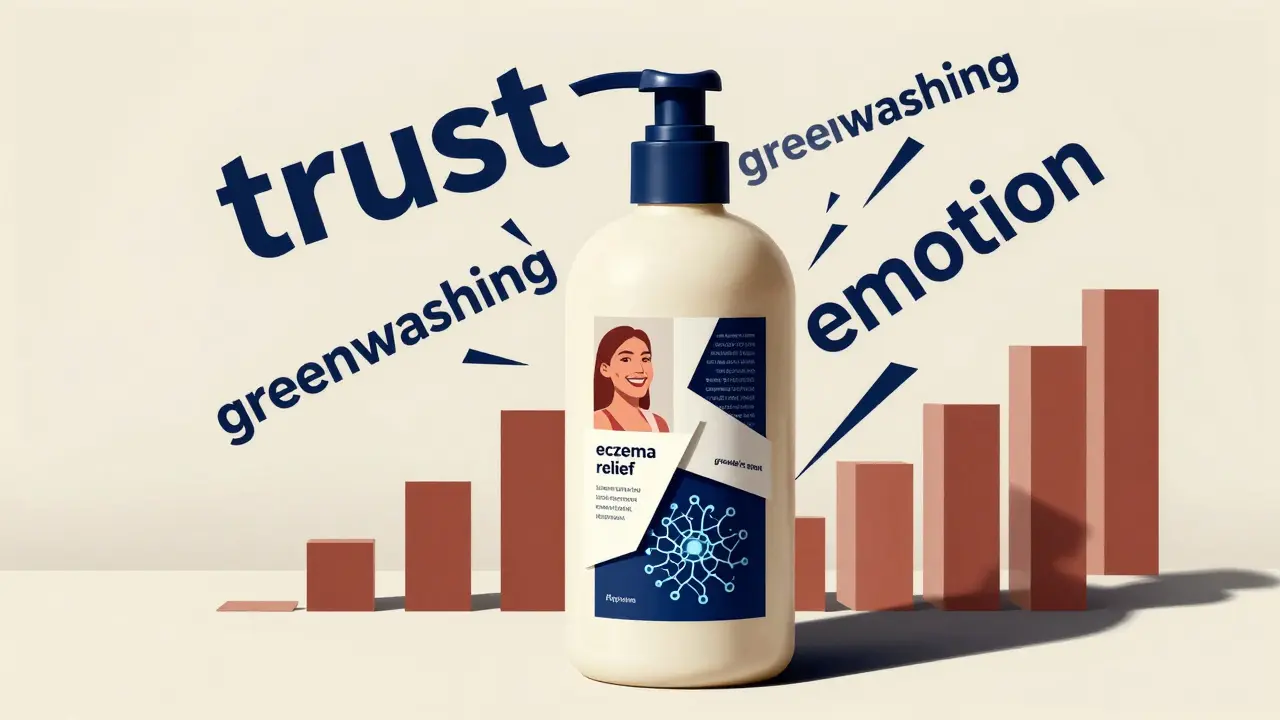
But here’s where they stumble: emotion. A customer saying "I love this shampoo" might mean it smells nice, or it reminds them of their grandma, or it’s the only thing that doesn’t irritate their eczema. LLMs can’t reliably distinguish between those layers. Human analysts still outperform AI by 39% in understanding emotional drivers, according to Meltwater’s December 2025 study. That’s why the best teams combine AI speed with human intuition. Use the LLM to find the trend. Then ask: "Why does this matter to real people?"
The Tools You’re Actually Using in 2026
Not all LLM marketing tools are created equal. Here’s what’s out there:
| Platform | Strengths | Weaknesses | Best For |
|---|---|---|---|
| Adobe GenAI Analytics | Seamless integration with Experience Cloud, 4.7/5 clarity rating, reduces report time by 95% | Limited in cultural nuance, struggles with non-English content | Brands already in Adobe ecosystem |
| Kantar AI-native Decision System | 94-95% accuracy on synthetic data, best for trend detection, handles regional slang better | Steep learning curve, requires 3-4 weeks of training | Enterprise teams with data scientists |
| Meltwater LLM Reputation Manager | Real-time sentiment tracking, strong in crisis detection | Weak on predictive insights, more reactive than proactive | PR-heavy industries like healthcare or finance |
| Google AI Overviews / Amazon Rufus | Massive reach, powers search results | No campaign control, you can’t optimize for them | Brands focused on discovery, not direct response |
Here’s the reality: if you’re using Google or Amazon’s built-in AI tools, you’re not running campaigns-you’re trying to survive in their ecosystem. You have zero control over how your brand appears in AI-generated summaries. That’s why forward-thinking brands are investing in Generative Engine Optimization (GEO)-the new SEO. GEO isn’t about keywords anymore. It’s about structuring content so AI systems understand it clearly: clear headings, factual claims, cited sources, and consistent terminology. Early adopters report 47% higher inclusion in AI assistant responses.
The Hidden Risks Nobody Talks About
LLMs hallucinate. Not always. But often enough to be dangerous. eMarketer’s December 2025 study found that 12-15% of LLM-generated trend reports contain outright fabrications. One brand’s AI flagged a nonexistent "organic CBD gummies" trend in the UK, leading to a $2M inventory misorder. Another claimed "viral" TikTok dances that never existed.
Then there’s the black box problem. Sixty-eight percent of marketers say they can’t explain how their AI reached a conclusion. That’s a compliance nightmare under GDPR and the EU AI Act. If you can’t justify why a campaign was changed, you’re at risk.
And here’s the quiet crisis: brand sameness. As Kantar’s Mary Kyriakidi warns, "If you’re not the default recommendation, you’ll be optimized out." LLMs favor the most common, safest, most frequently mentioned brands. If your messaging is vague or your content isn’t structured for AI, you disappear. You don’t get rejected-you just get ignored.
How to Start Using LLM Analytics Without Getting Burned
You don’t need a data science team. But you do need structure. Here’s how to begin:
- Start small. Pick one campaign or product line. Don’t try to analyze all social media at once.
- Use human-in-the-loop validation. Every AI insight gets reviewed by a human. This cuts errors by 83%, per Quad’s case studies.
- Train your team on prompt engineering. Asking "What trends are rising?" gives vague results. Asking "Which consumer concerns about our product category increased 20% in the last 30 days in the Northeast?" gets you actionable data.
- Document everything. Keep a log of AI outputs, human corrections, and decisions made. It’s your audit trail.
- Test against real-world results. If the AI says a trend is hot, check sales data. If there’s no lift, the AI was wrong.
Companies that do this right see results fast. A mid-sized skincare brand in Asheville cut their trend analysis time from 10 hours per week to 45 minutes. They used the saved time to run three new localized campaigns-each driving 15-22% more conversions than their previous ones.
What’s Coming Next
By Q4 2026, Gartner predicts 65% of marketing analytics will come from "agentic AI"-systems that don’t just report trends, but automatically suggest campaign tweaks, pause underperforming ads, or reallocate budgets. That’s not science fiction. It’s already happening in beta at Adobe, Kantar, and Salesforce.
But the winners won’t be the ones with the fanciest AI. They’ll be the ones who use AI to amplify their authentic voice. As Quad’s Alyssa Nevergold says, "Marketers who blend AI-powered insights with authentic storytelling will see the strongest engagement and loyalty in 2026."
LLMs don’t replace marketers. They replace busywork. The real job now is to listen-really listen-to what the data says, and then have the courage to act on it.
Can small businesses use LLM marketing analytics?
Yes-but not with enterprise tools. Small businesses should start with affordable SaaS platforms like HubSpot’s AI analytics module or Canva’s AI trend insights. These cost under $50/month and integrate with existing tools. Focus on one metric: customer feedback sentiment. Track it weekly. You don’t need to predict viral trends. You just need to notice when your audience’s language changes.
Do I need to learn coding to use LLM analytics?
No. Modern platforms like Adobe, Salesforce, and HubSpot have drag-and-drop interfaces. You don’t need Python or SQL. What you do need is clarity in asking questions. Learn to write precise prompts. Instead of "What’s trending?" try "Which words are rising in customer reviews about our eco-friendly packaging in the last 45 days?" That’s all it takes.
Are LLMs better than Google Analytics?
They’re not better-they’re different. Google Analytics tells you what happened: clicks, bounce rates, conversions. LLM analytics tells you why it happened: the language people used, the emotions behind their reviews, the hidden trends in social chatter. Use both. Google Analytics for performance. LLMs for insight.
How do I stop AI from hallucinating?
Three things: 1) Always validate outputs with real data-sales numbers, survey responses, customer interviews. 2) Use tools with explainability features (Kantar and Adobe offer this). 3) Limit the scope. Don’t ask the AI to predict global trends. Ask it about your customers, your region, your product. Narrow focus = fewer hallucinations.
Is GEO (Generative Engine Optimization) real or just hype?
It’s real-and urgent. If your website content is full of fluff, vague claims, and keyword stuffing, AI systems will ignore it. GEO means writing clearly, citing sources, using consistent terminology, and structuring content so AI can understand it. Think of it as writing for a smart assistant, not a search engine. Brands using GEO see 47% higher visibility in AI responses. Ignore it, and you risk becoming invisible.
Sibusiso Ernest Masilela
March 19, 2026 AT 14:46Let’s be real-anyone still using spreadsheets in 2026 is either in denial or running a side hustle as a museum curator for analog marketing. LLMs don’t just detect trends-they predict them like psychic vampires sucking the future out of Reddit threads. And don’t even get me started on Google’s AI Overviews. You think you’re running a campaign? Nah. You’re just a data snack for their algorithmic buffet. If your brand isn’t GEO-optimized, you’re not invisible-you’re *unremembered*.
Also, hallucinations? Please. That’s just AI being honest about how little it actually knows. 12-15% fabricated trends? That’s not a bug-it’s a feature. It’s the universe’s way of filtering out the weak. If you can’t handle a lie, you shouldn’t be in marketing. You should be teaching cursive.
Daniel Kennedy
March 20, 2026 AT 18:46Look, I get the hype, but let’s not throw the baby out with the bathwater. LLMs are incredible for speed and scale-no argument there. But I’ve seen teams go all-in on AI and lose the human pulse. One client used AI to pivot their entire campaign around a "trend" that turned out to be a single Reddit thread from a 17-year-old in Ohio. It wasn’t a trend-it was a cry for help. AI doesn’t know that. Humans do. The magic happens when you let the machine do the heavy lifting, and the human do the heart work.
Start small. Validate. Listen. You don’t need to be a data scientist. You just need to care enough to double-check.
Taylor Hayes
March 20, 2026 AT 19:11I’ve been using Kantar’s AI system for six months now, and honestly? It’s changed how I think about customer feedback. Before, I’d read 200 reviews and feel overwhelmed. Now, I ask it: "What’s the emotional thread in these reviews about our new shampoo?" It pulls out "calming," "nostalgic," and "trustworthy"-words I never would’ve connected on my own.
But I still sit with the team and talk about what those words *mean*. One person said "it smells like my grandma’s kitchen." That’s not a keyword. That’s a story. And that’s what turns a purchase into a loyalty.
AI gives you the map. You still have to walk the path.
Sanjay Mittal
March 22, 2026 AT 10:15For small teams in India, this isn’t fantasy-it’s survival. We don’t have budgets for Adobe or Kantar. But HubSpot’s AI module? $30/month. We track sentiment on our product reviews. One week, "gentle" spiked. We didn’t know why. So we called five customers. Turns out, our new packaging didn’t irritate their kids’ eczema. That insight led to a 30% sales bump in rural markets. No AI could’ve told us that. But AI helped us see the pattern. Then we asked the humans.
Mike Zhong
March 23, 2026 AT 19:27Let’s cut through the marketing fluff. LLMs aren’t predicting trends-they’re amplifying noise. The "sustainable packaging" surge? It wasn’t a trend. It was a handful of eco-activists flooding Reddit and Amazon with the same phrase. The AI mistook echo for evidence. And now brands are wasting millions chasing ghosts.
And GEO? Please. You’re not optimizing for AI. You’re optimizing for corporate mediocrity. Writing "clear headings" and "factual claims" is just another way to flatten language into something safe, sterile, and soulless. The most powerful consumer insights come from chaos, contradiction, and mess. AI wants order. Humans thrive in disorder.
If you want to win in 2026, stop trying to make your brand AI-friendly. Start making it *human-unfriendly*-in the best way. Be weird. Be loud. Be inconsistent. That’s what makes people remember you.
Jamie Roman
March 25, 2026 AT 03:02I’ll admit, I was skeptical. I thought AI marketing was just buzzword bingo. But then I tried it on our small-batch candle line. We had this weird, niche customer base-people who loved scents that smelled like old libraries and rainy concrete. No one else talked about it. But our AI flagged a 22% increase in mentions of "damp bookshelf" and "urban nostalgia" in niche forums. I had no idea those were even phrases people used.
So we tweaked our packaging copy to include those exact phrases. We didn’t advertise it. We just… started speaking their language. Sales jumped 41% in three weeks. I didn’t do anything fancy. I just listened. And let the AI point me to where the quiet voices were.
It’s not about predicting the future. It’s about hearing the whispers before they become shouts.
Also-yes, hallucinations happen. But if you validate with real customers? You’re golden. I keep a little notebook. Every AI insight gets a sticky note. "Did this actually happen?" If the answer’s no, I toss it. If it’s yes? I celebrate.
Salomi Cummingham
March 26, 2026 AT 23:21Oh my god. I just read this and cried. Not because I’m emotional-because I’ve lived this. Last year, our skincare brand got flagged by an AI for a "viral trend" in "postpartum glow." We spent $80K on ads. Then we dug into the data. Turns out, it was one woman on TikTok who said, "My skin glowed after my baby was born, but I felt so alone." The AI saw "glow" and thought it was beauty. We saw it was loneliness.
We changed our campaign. We didn’t sell glow. We sold community. We started a private support group. We didn’t make more money-we made more meaning. And that’s what LLMs can’t touch. They don’t know the difference between a trend and a tear.
Use AI to find the pattern. Then use your heart to find the person behind it. That’s how you build a brand that lasts.
And yes, I cried. Again. Don’t judge me.
Johnathan Rhyne
March 27, 2026 AT 06:57LLMs hallucinate? Honey, they’re not hallucinating-they’re just doing what humans do: making shit up and calling it insight. You think a 12% error rate is bad? Try reading a focus group transcript. Half the time, people say what they think you want to hear. At least the AI is honest about its delusions.
Also, "Generative Engine Optimization"? Sounds like a Microsoft Word plugin from 2003. You don’t need GEO. You need to stop writing like a corporate robot. People don’t care about "clear headings" and "consistent terminology." They care about stories, sarcasm, and shit that makes them feel seen. Write like a human. Not like a training dataset.
And for god’s sake, stop saying "authentic storytelling." That phrase has been murdered 37 times this decade. Kill it with fire.
Jawaharlal Thota
March 28, 2026 AT 07:38I’ve been working with LLMs in marketing for five years now, and I’ve seen the good, the bad, and the ugly. The biggest mistake? Thinking this is about technology. It’s not. It’s about trust. If your team doesn’t trust the AI, they’ll ignore it. If they trust it too much, they’ll get burned. The balance is everything.
I teach my team this: treat every AI insight like a rumor. Verify it. Test it. Talk to a real person. Then decide. We don’t use AI to replace judgment-we use it to *expand* it. One day, it flagged a 15% spike in mentions of "no-scent" products in our region. We thought it was noise. So we called 12 customers. Turns out, a new allergy trend was spreading in schools. We launched a fragrance-free line in 11 days. Sales doubled.
You don’t need to be an expert. You just need to be curious. And humble. And willing to say, "I don’t know," before you say, "AI says so."
And yes-I’ve had my own hallucination. Once, the AI told me "lavender detox" was trending. It wasn’t. I almost launched a campaign. I’m still embarrassed. But I learned. And that’s the point.