Tag: generative AI
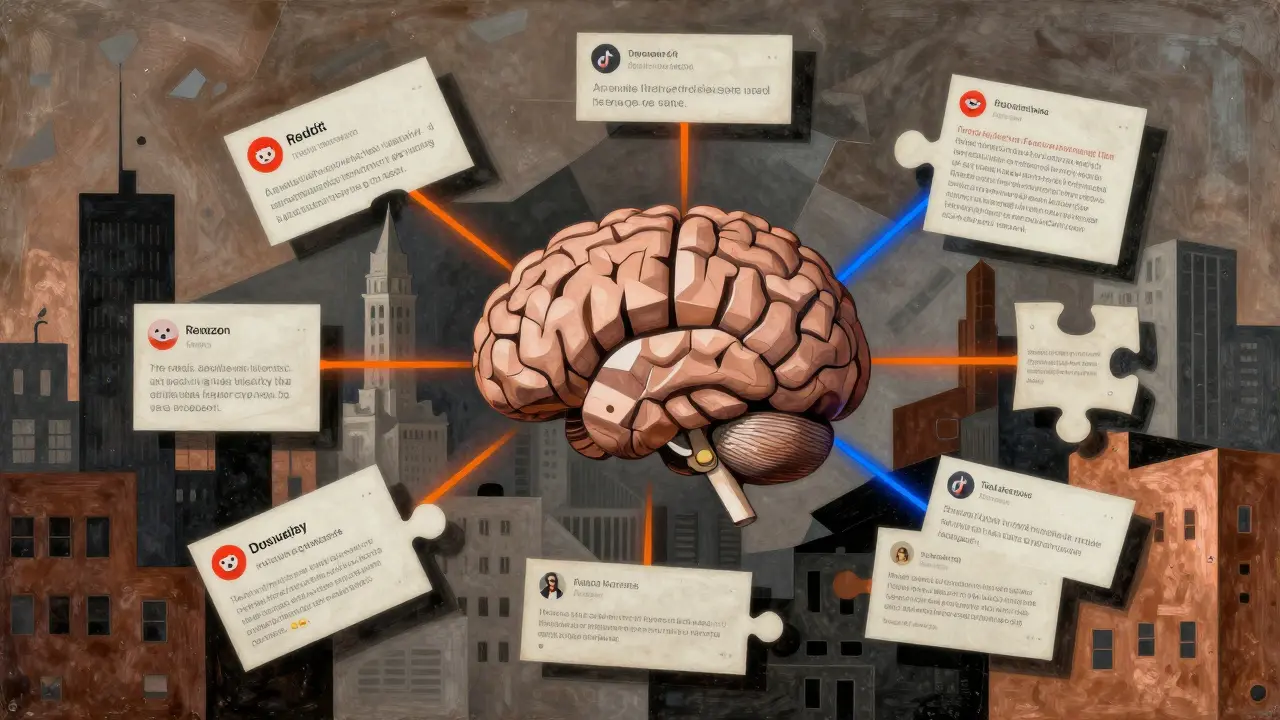
Marketing Analytics with LLMs: Trend Detection and Campaign Insights
LLM marketing analytics is now essential for spotting trends and optimizing campaigns. Discover how AI detects consumer shifts faster than humans, which tools deliver real results, and how to avoid the pitfalls of hallucinations and brand invisibility.

LLMOps for Generative AI: Build Reliable Pipelines, Monitor Performance, and Manage Drift
LLMOps keeps generative AI reliable by managing pipelines, monitoring performance, and catching drift before it breaks your app. Learn how to build systems that don’t just work-but keep working.

Why Generative AI Hallucinates: The Hidden Flaws in Probabilistic Language Models
Generative AI hallucinates because it predicts text based on patterns, not truth. It doesn't understand facts-it just repeats what it's seen. This is why it invents fake citations, medical facts, and court cases with perfect confidence.

Retrieval-Augmented Generation Advances in Generative AI: Better Search, Better Answers
Retrieval-Augmented Generation (RAG) lets AI answer questions using live data instead of outdated training. It cuts hallucinations, updates instantly, and powers enterprise AI today. Learn how it works, where it shines, and what to avoid.

Cultural Sensitivity in Generative AI: How to Stop AI from Reinforcing Harmful Stereotypes
Generative AI often reinforces harmful stereotypes by reflecting biased training data. Learn how cultural insensitivity in AI leads to real-world harm - and what can be done to fix it.

Impact Assessments for Generative AI: DPIAs, AIA Requirements, and Templates
Generative AI requires strict impact assessments under GDPR and the EU AI Act. Learn what DPIAs and FRIAs are, who needs them, how to use templates, and what happens if you skip them.

Multimodal Generative AI: Models That Understand Text, Images, Video, and Audio
Multimodal generative AI now understands text, images, audio, and video together-changing healthcare, manufacturing, and education. See how GPT-4o, Llama 4, and other models work, where they excel, and where they still fail.
- 10
- Read More

Life Sciences Research with Generative AI: Protein Design and Literature Reviews
Generative AI is transforming life sciences by designing entirely new proteins and automating literature reviews. From cancer therapies to enzyme engineering, AI is enabling breakthroughs that were impossible just years ago.

Cloud Cost Optimization for Generative AI: Scheduling, Autoscaling, and Spot
Learn how to cut generative AI cloud costs by 30-75% using scheduling, autoscaling, and spot instances. Real strategies from 2025 with proven results from AWS, Google Cloud, and enterprise teams.

Synthetic Data Generation with Multimodal Generative AI: Augmenting Datasets
Synthetic data generated by multimodal AI creates realistic, privacy-safe datasets by combining text, images, audio, and time-series data. It's transforming healthcare, autonomous systems, and enterprise AI by filling data gaps without compromising privacy.